Free shipping on orders over $55

Things We Love
This is where we share the parts of farm life we find worth holding onto.
Here, you’ll find stories from our animals, the everyday rhythm of working a small Vermont farm, and the history we’re uncovering as we restore this old homestead. Some posts are about what we’re learning. Others are simply moments we don’t want to forget.
Follow along with life and care of our animals in Farm Animals
See the day-to-day work of running the farm in Farm Life
Explore the past of this property in Farm History
And follow the ongoing work of rebuilding and repairing in Restorations
Along the way, we also share discoveries—things that have helped us, inspired us, or made us laugh—both on the farm and in our rural community.
We’re glad you’re here to share it with us.
Farm News
Stay up to date with “Things We Love” and special offers. Unsubscribe at any time.
Processing…
Success! You're on the list.
Whoops! There was an error and we couldn't process your subscription. Please reload the page and try again.
-
 Continue Reading: Welcome to Things We Love
Learn how Wiggly Goat Farm in Vermont began—from a few goats and handmade soaps to a growing farm business rooted in animals, fiber, and small-batch goat milk products.
-
 Continue Reading: Where to Find Us: Farm Shop, Farmers Markets & Festivals
Life at Wiggly Goat Farm is rooted in animals, family, handmade goods, and a deep connection to the land. Visit our farm shop, schedule a private barn visit, or find us at Vermont markets and festivals this season with goat milk body care, fiber goods, fudge, and farm-grown stories to share.
-
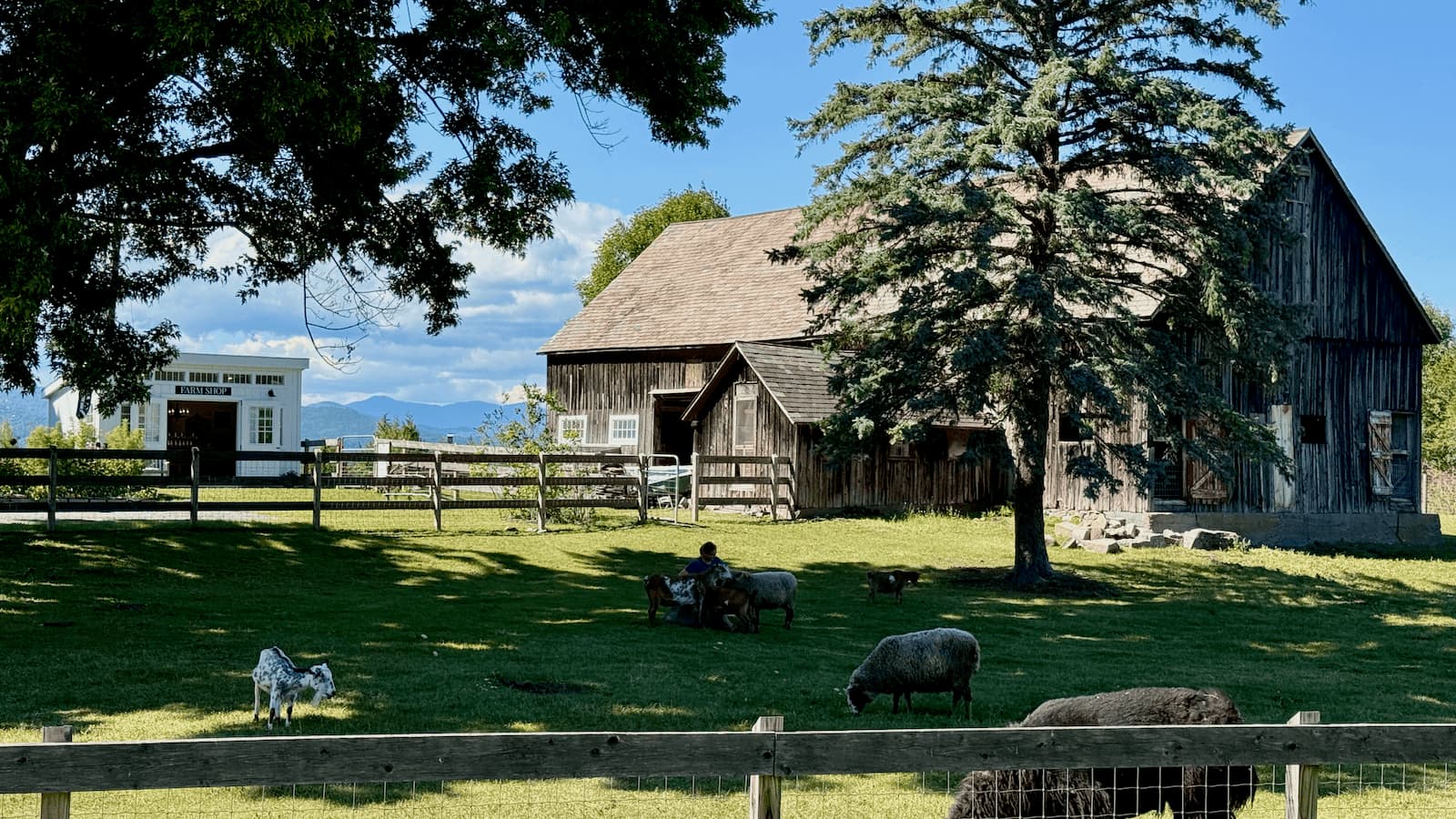 Continue Reading: Connect with Wiggly Goat Farm
Visit Wiggly Goat Farm in Vermont—shop handmade goat milk products, explore fiber goods, meet the animals, and experience life on a small working farm.
-
 Continue Reading: I Like Chickens, But… Then I Found a Hidden Stone Well
What began as building a bigger chicken coop quickly turned into something much more interesting. Beneath the floor of our historic Vermont barn, I uncovered a remarkable hand-dug stone well that had been hidden for decades. Sometimes old farms have a way of changing your plans—and rewarding your persistence.
-
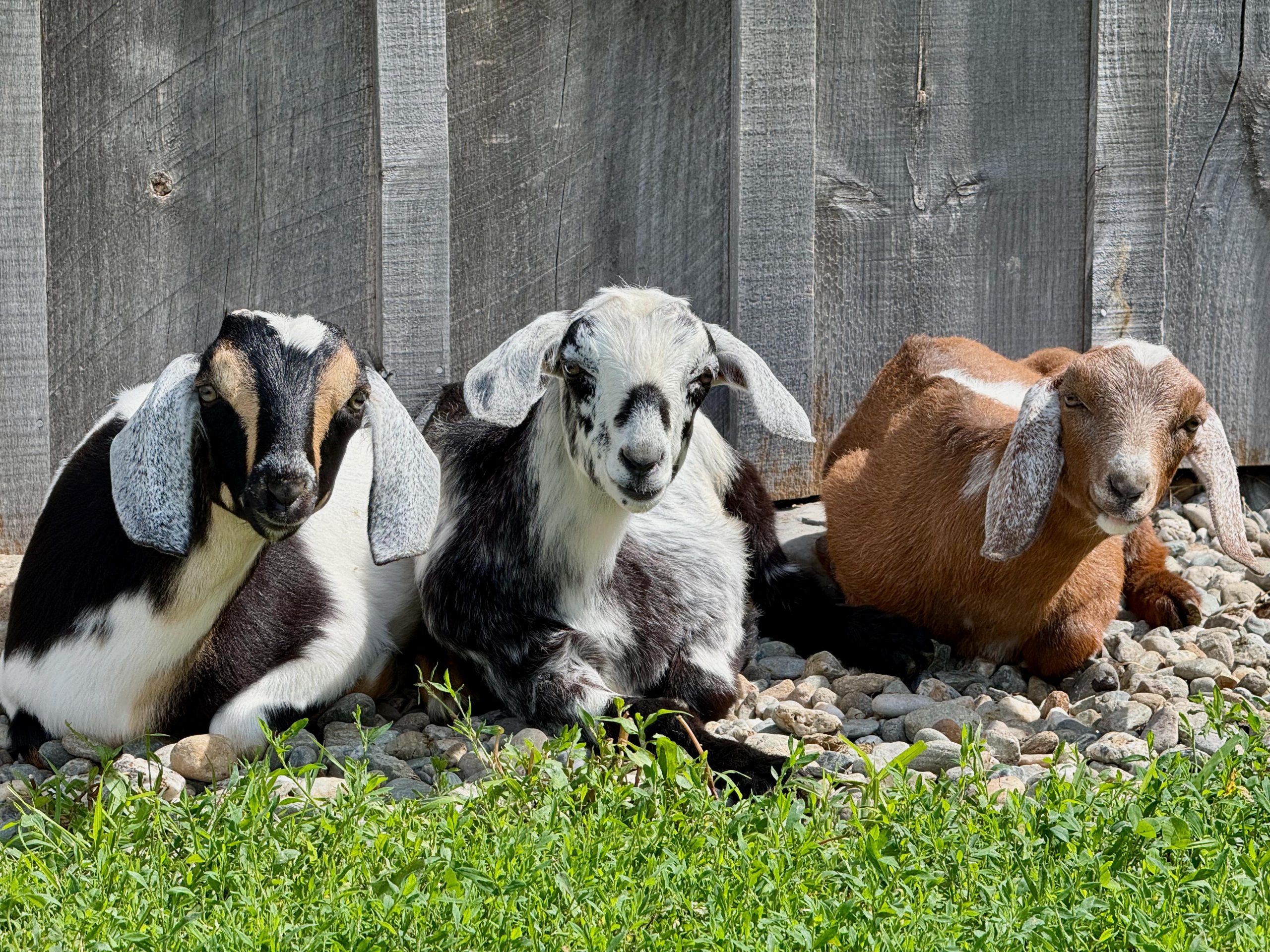 Continue Reading: Why We Added Three Very Chatty Mini Nubians Goats to Wiggly Goat Farm
Three chatty Mini Nubian goats have joined the herd at Wiggly Goat Farm! Discover what makes this charming breed so special, from their famous floppy ears and affectionate personalities to their impressive dairy heritage.
-
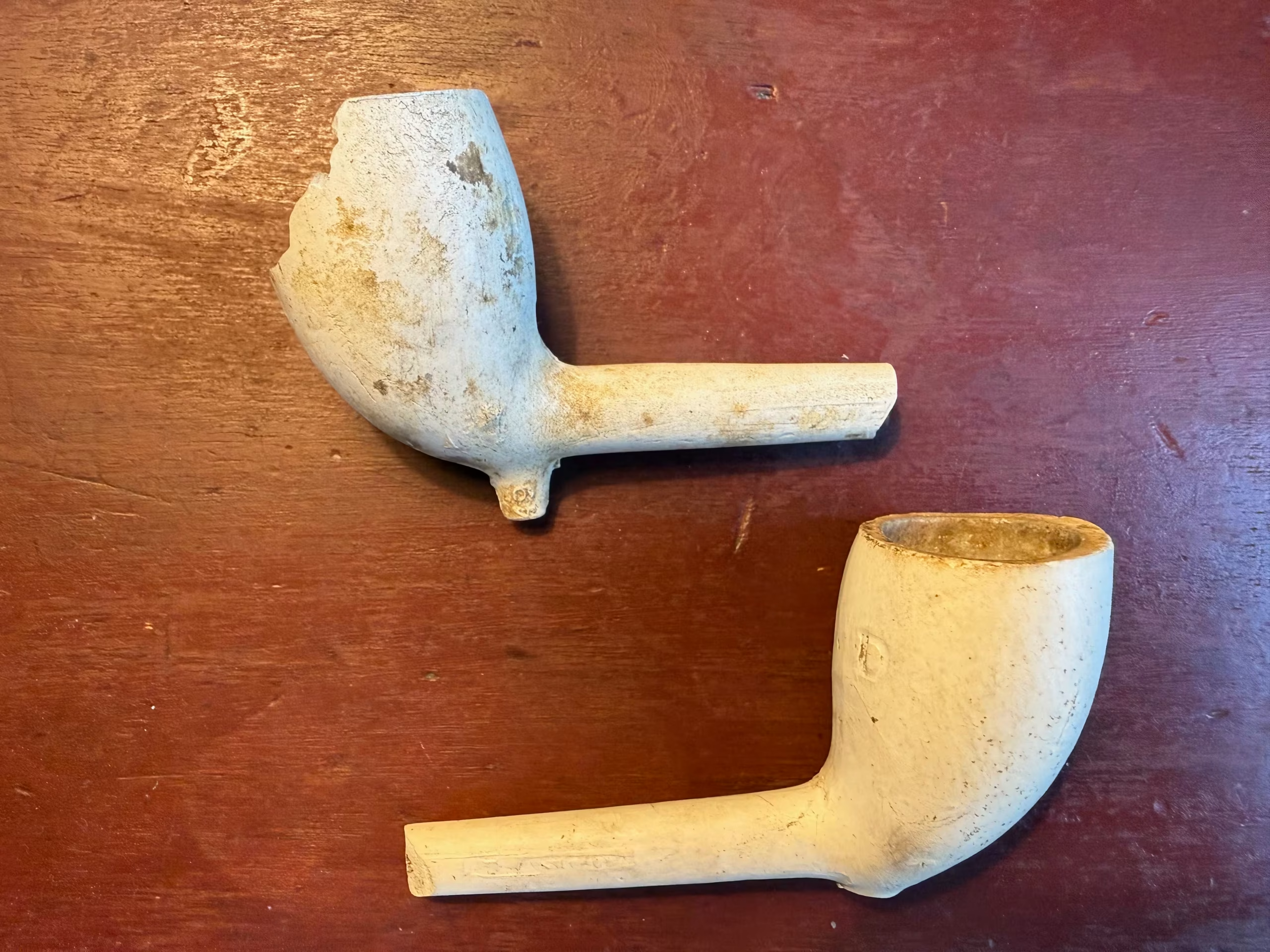 Continue Reading: Two Clay Pipes and a Journey Across the Atlantic
While restoring our historic Vermont farm, we uncovered two broken clay tobacco pipes buried in the soil. Research revealed they were manufactured by McDougall & Co. of Glasgow, Scotland, during the late nineteenth century. Their story offers another fascinating glimpse into the everyday lives of the Spaulding family who called this farm home for nearly two centuries.
-
 Continue Reading: The Story of a Dead Soldier
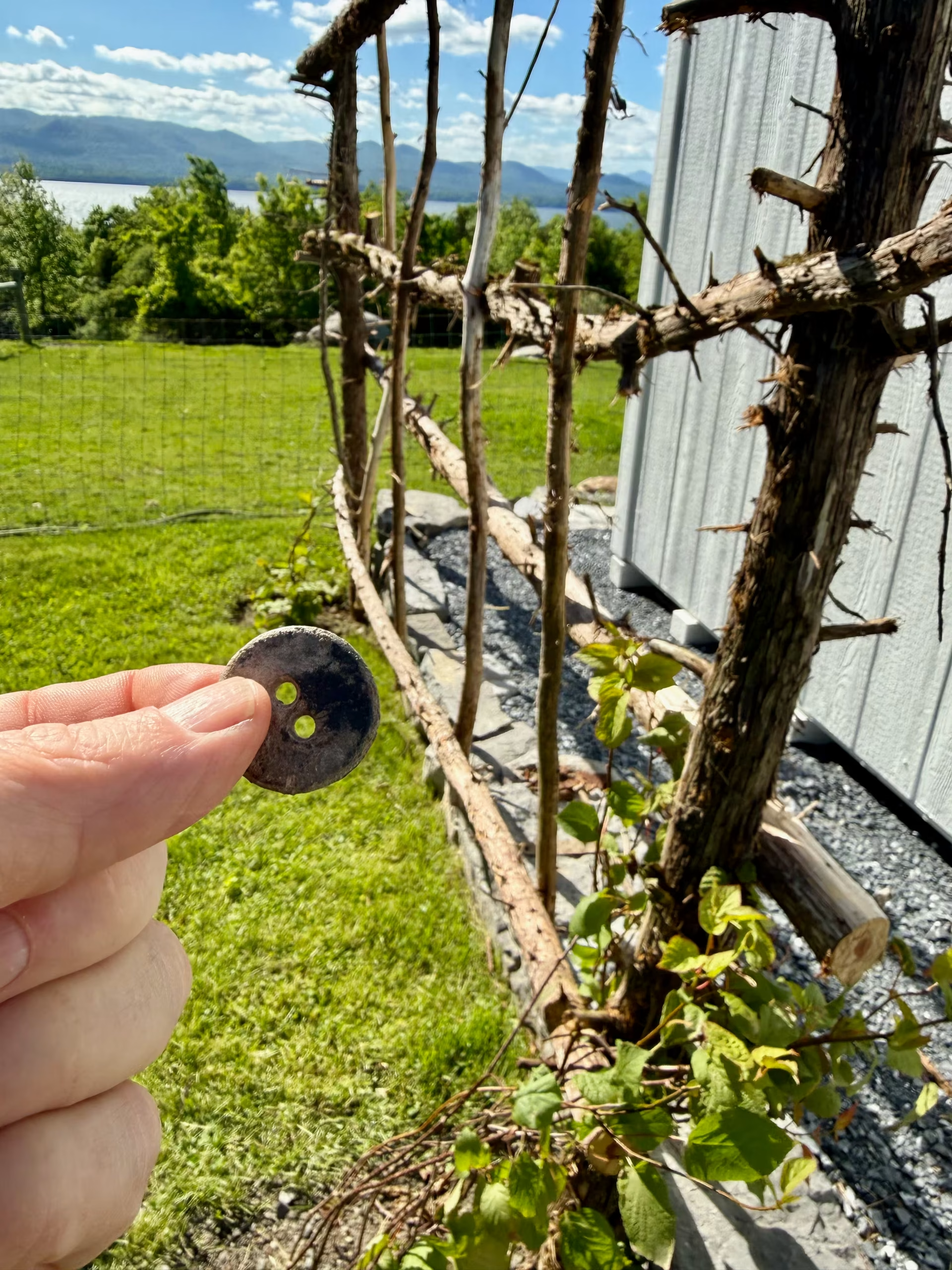
A button found while digging a post hole sent me down a historical rabbit hole. What I discovered was a 250-year-old story involving Benedict Arnold, the Battle of Valcour Island, and a British soldier named McDonald who may still be buried on our farm.
-
 Continue Reading: The Sweet Return of Spring Eggs
Spring returns softly on the farm, marked by the first blue egg in the nesting box. After months of stillness, Millie and her flock begin laying again, bringing life back in the gentlest way.
-
 Continue Reading: The Spaulding Homestead: A Vermont Farm Story
The story of the Spaulding Homestead in Panton, Vermont—from a family’s journey in 1767 and survival during the Revolutionary War to restoring a long-forgotten farm today.
-
 Continue Reading: This Old Farm – Intriguing Discoveries
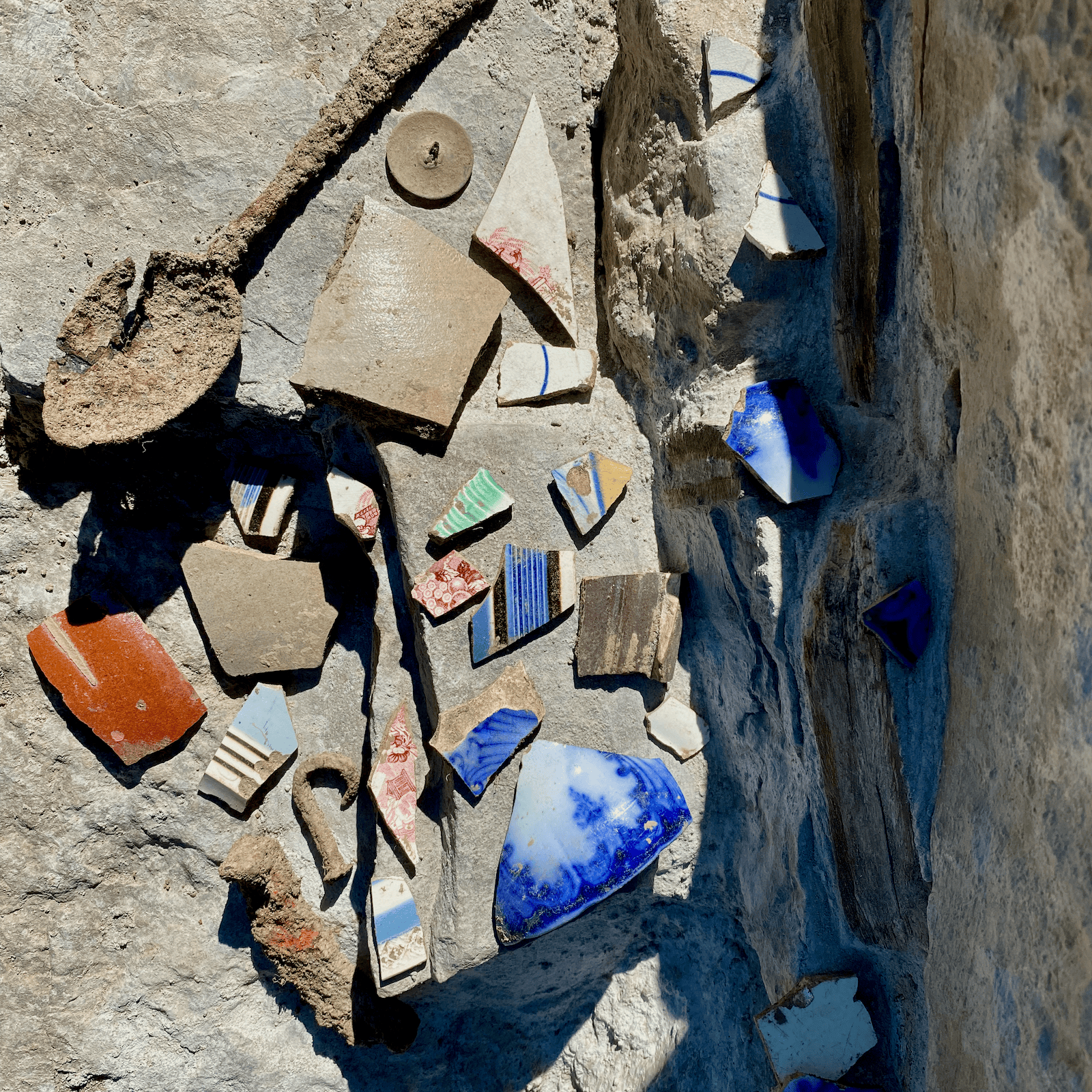
In past articles, I’ve written about the history of the property and the Spaulding family, dating back to 1767. Our own history with the land began in January 2020, when Krista and I purchased the last remnant of the original Spaulding farm—just before the pandemic. At the time, the land was overgrown, the early 18th-century barn was sinking into the ground, and the house—left unoccupied for over 20 years—had no heat, no running water, and had been taken over by wildlife. Our original plan was to hire contractors to slowly restore the property, eventually transforming it into our retirement home.…