Free shipping on orders over $55

CategoryFarm Animals
Life with Farm Animals in Vermont
Life on our Vermont farm revolves around the animals. Every day, we care for goats, sheep, alpaca, llamas, rabbits, and chickens—each with their own quirks and role in how the farm works here in the Champlain Valley.
Goats have always been at the heart of this farm. We started by milking our first goats to build a small herd, and while we don’t milk them today, they remain a big part of daily life. The goat milk we use now comes from other local farms, keeping us connected to a wider farming community while we focus on raising and caring for our own animals.
Sheep, alpaca, llamas, and rabbits provide fiber that we turn into custom-milled yarn, and many of the products we make grow directly from that work in the pasture. Chickens supply eggs through the seasons, each playing their part in the rhythm of the farm.
These posts focus on the care and management of our animals—feeding, fencing, breeding decisions, pasture rotation, and the seasonal challenges that come with raising livestock. Most of what we’ve learned comes from time spent working with the animals and paying attention.
-
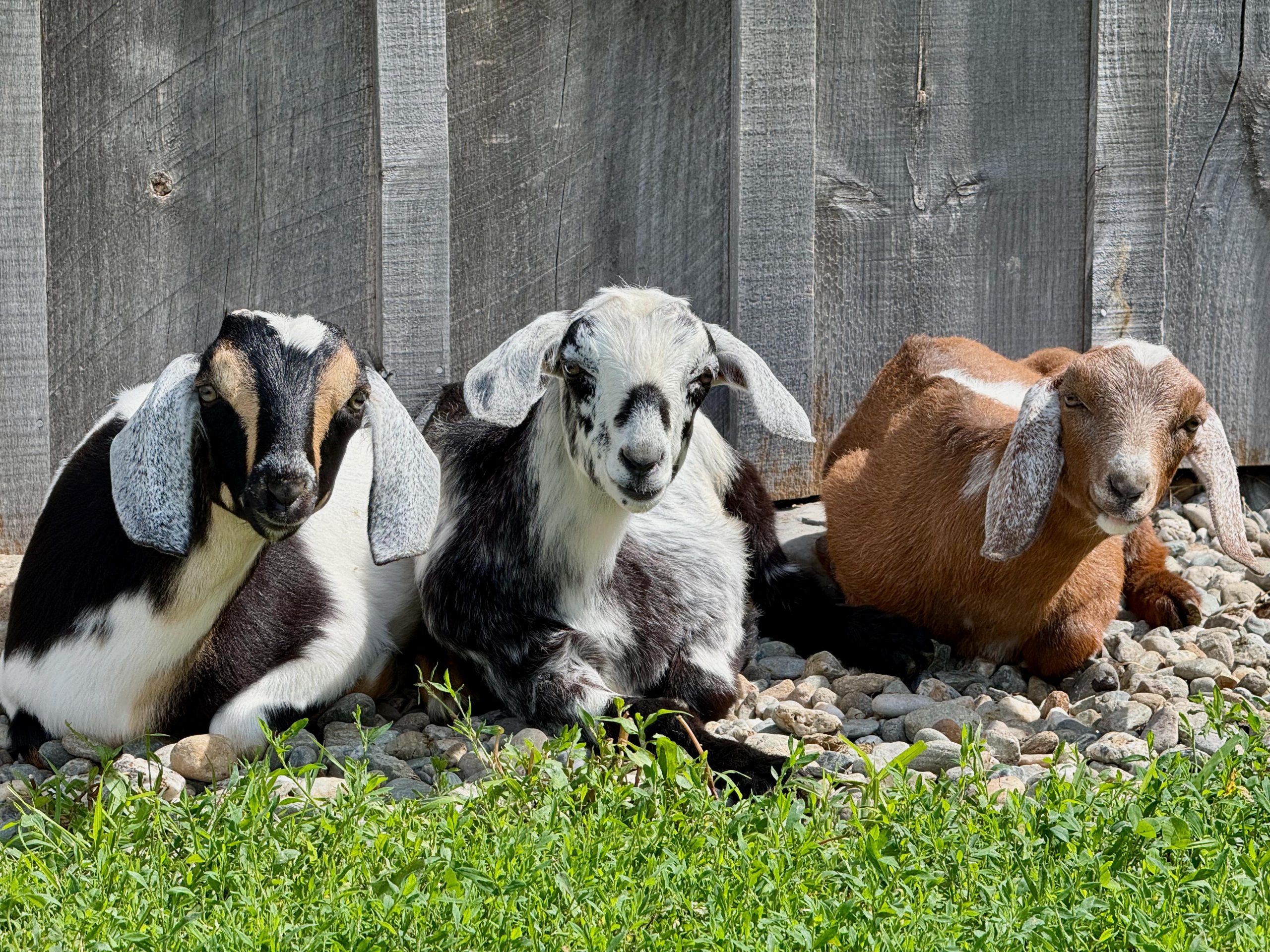 Continue Reading: Why We Added Three Very Chatty Mini Nubians Goats to Wiggly Goat Farm
Three chatty Mini Nubian goats have joined the herd at Wiggly Goat Farm! Discover what makes this charming breed so special, from their famous floppy ears and affectionate personalities to their impressive dairy heritage.
-
 Continue Reading: The Sweet Return of Spring Eggs
Spring returns softly on the farm, marked by the first blue egg in the nesting box. After months of stillness, Millie and her flock begin laying again, bringing life back in the gentlest way.
-
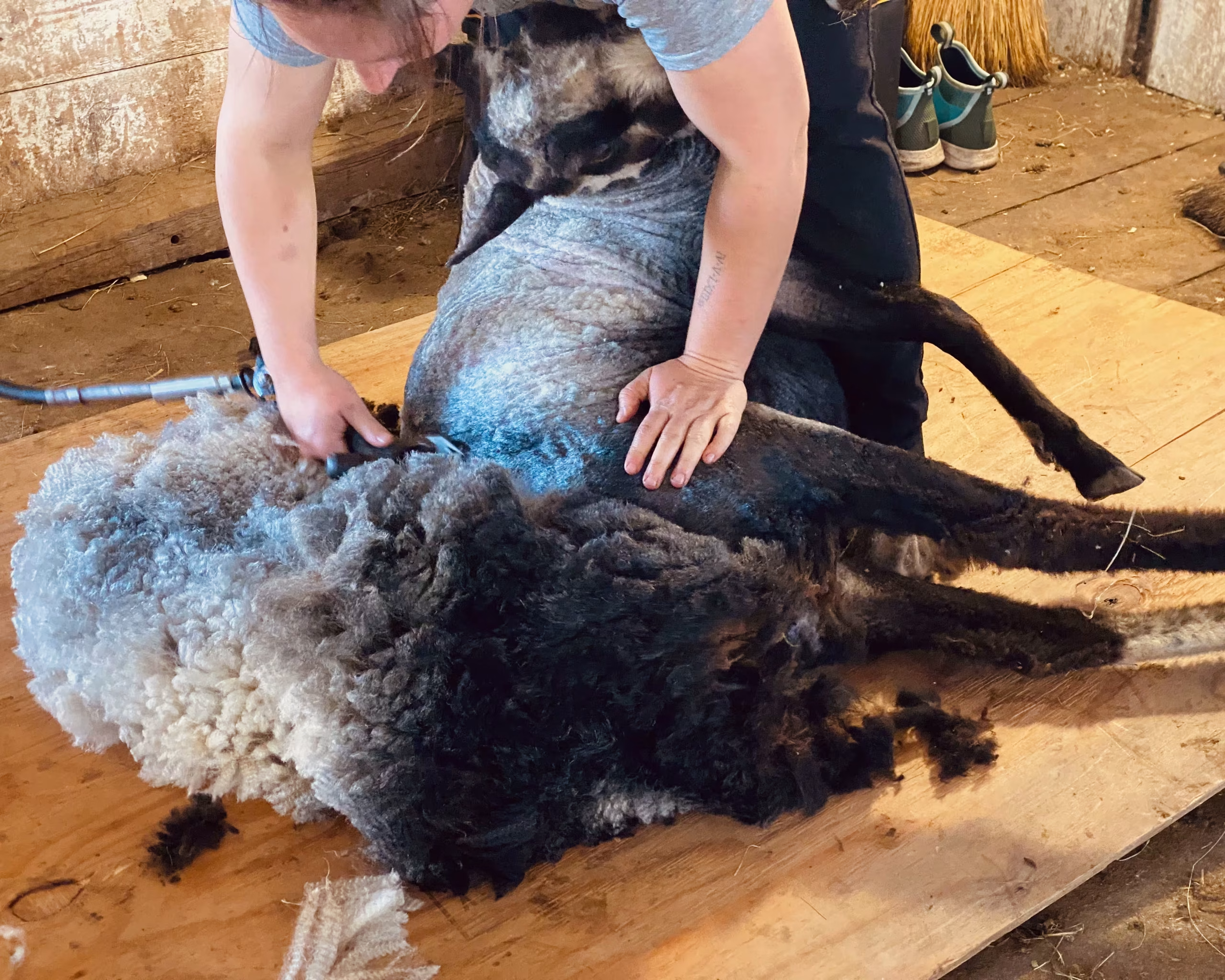 Continue Reading: Why We Raise Finnsheep: Friendship, Fiber, and a Perfect Fit
After decades raising many sheep breeds, we found our perfect fit in Finnsheep — friendly, fiber-rich, naturally colorful, and ideal for our Vermont farm.
-
 Continue Reading: A Christmas Lesson in Boundaries
Christmas on the farm brought one determined Finnsheep, one unimpressed llama, and a gentle reminder about personal space.
-
 Continue Reading: Higgins Gets His First Hair Cut
It was a big day on the farm—Higgins, our young Angora goat, got his very first haircut. On October 6th, Higgins and his mama, Midge, both took a turn with the clippers and now look extra sleek and ready for the cooler days ahead. When and Why Angora Goats Are Sheared Angora goats get sheared twice a year, usually in April and October, when their fleece—called mohair—grows to about 3–6 inches. Higgins wasn’t so sure about the buzzing sound at first, but with a little patience (and Mom right beside him), he soon realized it wasn’t so bad. When it…
-
 Continue Reading: Meet Harriet & Hazel: Our New Llama Ladies
There’s a special magic in the sound of llamas humming. It’s soft, curious, and almost secretive—like whispers carried on the wind. For the past few weeks, our barnyard has been alive with that gentle hum, thanks to the arrival of two very special guests: a mother–daughter llama duo named Harriet and Hazel. These lovely ladies (also known as Talia and Brianni) traveled all the way from Dakota Ridge Farm in New York, brought to us through the thoughtful matchmaking of our friend and llama expert, Katrina. A New Chapter After Whisky Their arrival comes after a bittersweet chapter in our…
-
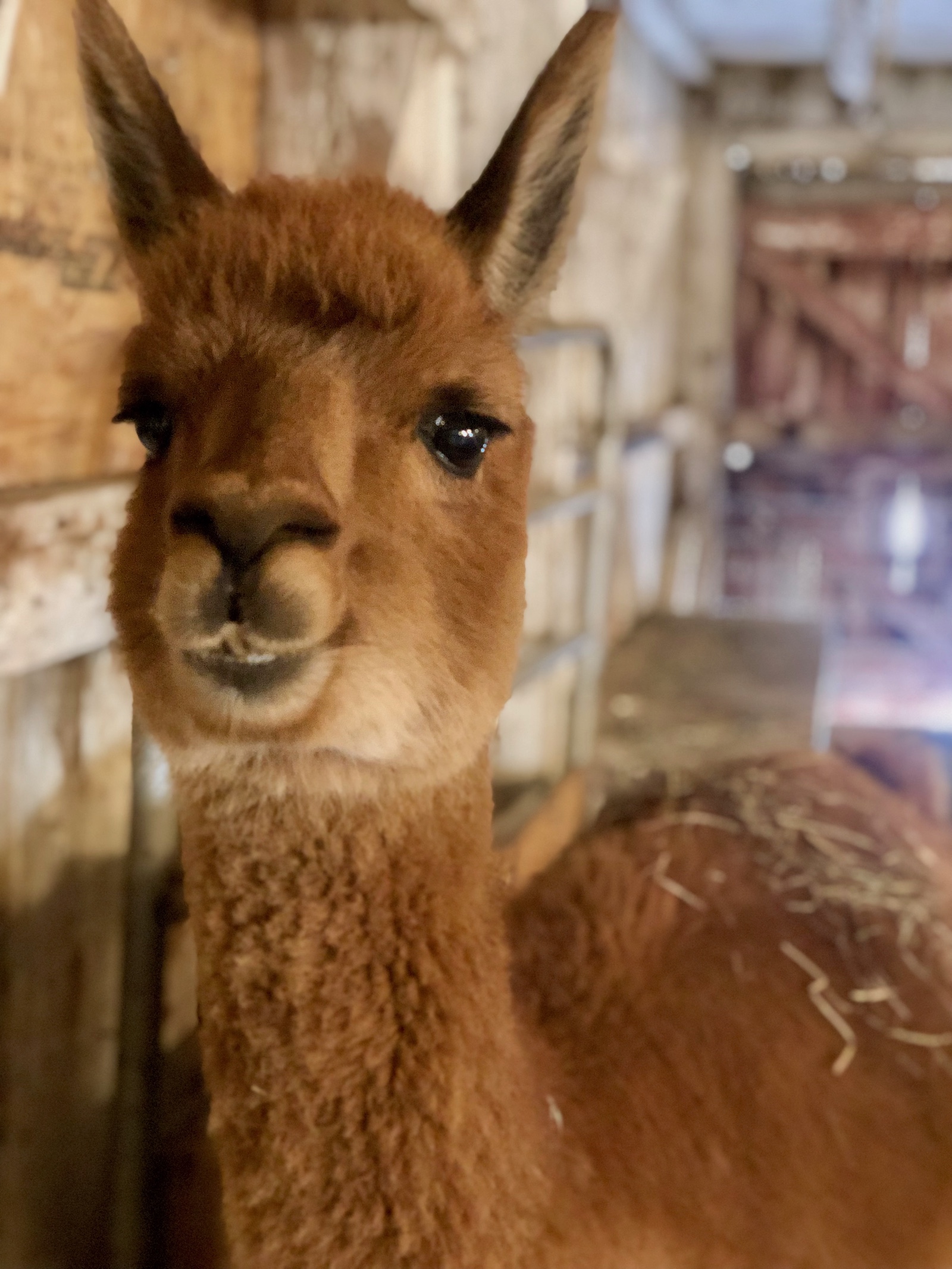 Continue Reading: Meet Cinnamon the Alpaca: Farm Friend and Fascinating Facts
Cinnamon just turned 17 and is my best farm friend (shh, don’t tell the others!). He insists he’s more llama than alpaca—probably because he grew up with Whisky, our beloved llama who passed last year. We both still miss him dearly.
-
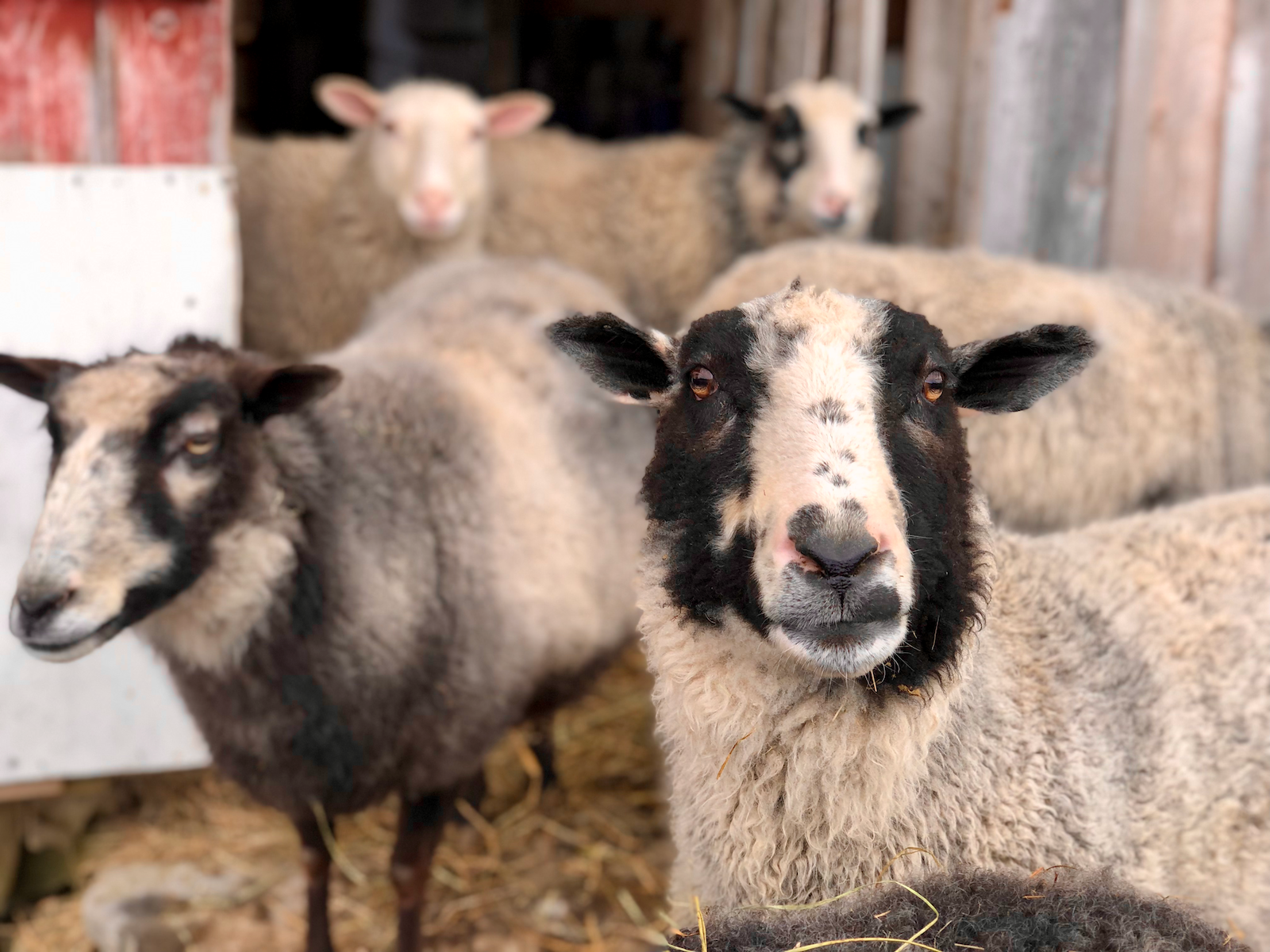 Continue Reading: Hooked on Sheep: Why Our Woolly Friends Are So Darn Friendly (and How Yours Can Be, Too)
Yes, Wiggly Goat Farm is named after our goats…but I have a confession: I’m completely, irreversibly, head-over-hooves hooked on sheep. I’ve raised several breeds over the past 34 years, and let me tell you, there’s nothing better than starting your morning with a woolly welcome committee at the barn door. One of the things that surprises visitors during our Barn Visits is how friendly our sheep are. People expect them to be shy or aloof, but ours come walking over like we’ve just offered them coffee and gossip. The truth is, sheep can be friendly—but a lot depends on how…
-
 Continue Reading: Angora Goats: Fluffy Friends with Fabulous Fiber
Angora goats Midge (a.k.a. Ramona) and her two week old son Higgins recently joined our Wiggly Goat Farm family. They came to us from Wiseacres Farm of Underhill, Vermont. Years ago we raised Angora goats and are delighted to be able to raise them again and welcome these two to our herd. If you’ve never met an Angora goat, let me tell you about them! First of all, Angora goats are not to be confused with Angora rabbits (which provide angora fiber). Originating in Turkey and beloved across centuries, Angora goats are the proud producers of mohair, one of the…
-
 Continue Reading: Angora Rabbits – Start your own small scale fiber farm
A brief history of the Angora Rabbit If you’ve dreamed of having your own small fiber farm, but don’t have the space—or the interest—in raising sheep, llamas, alpacas, yaks, or fiber goats, then Angora rabbits might just be the perfect fit for you. They’re friendly, easy to care for, and produce usable fiber year ’round. And if you wished for more rabbits…they can produce litters of 3-12 kits in as little as 28 days! The Angora rabbit is one of the fluffiest, most enchanting creatures in the animal kingdom—and one of the oldest domestic rabbit breeds. At Wiggly Goat Farm,…