

The First Eggs After a Vermont Winter
There’s a quiet kind of joy that comes with keeping hens—one that feels especially meaningful after a long Vermont winter. For months, the coop sits still, the nesting boxes stay untouched, and the egg basket remains empty. Then one day, almost like a whisper of spring, everything changes: a hen returns to lay.
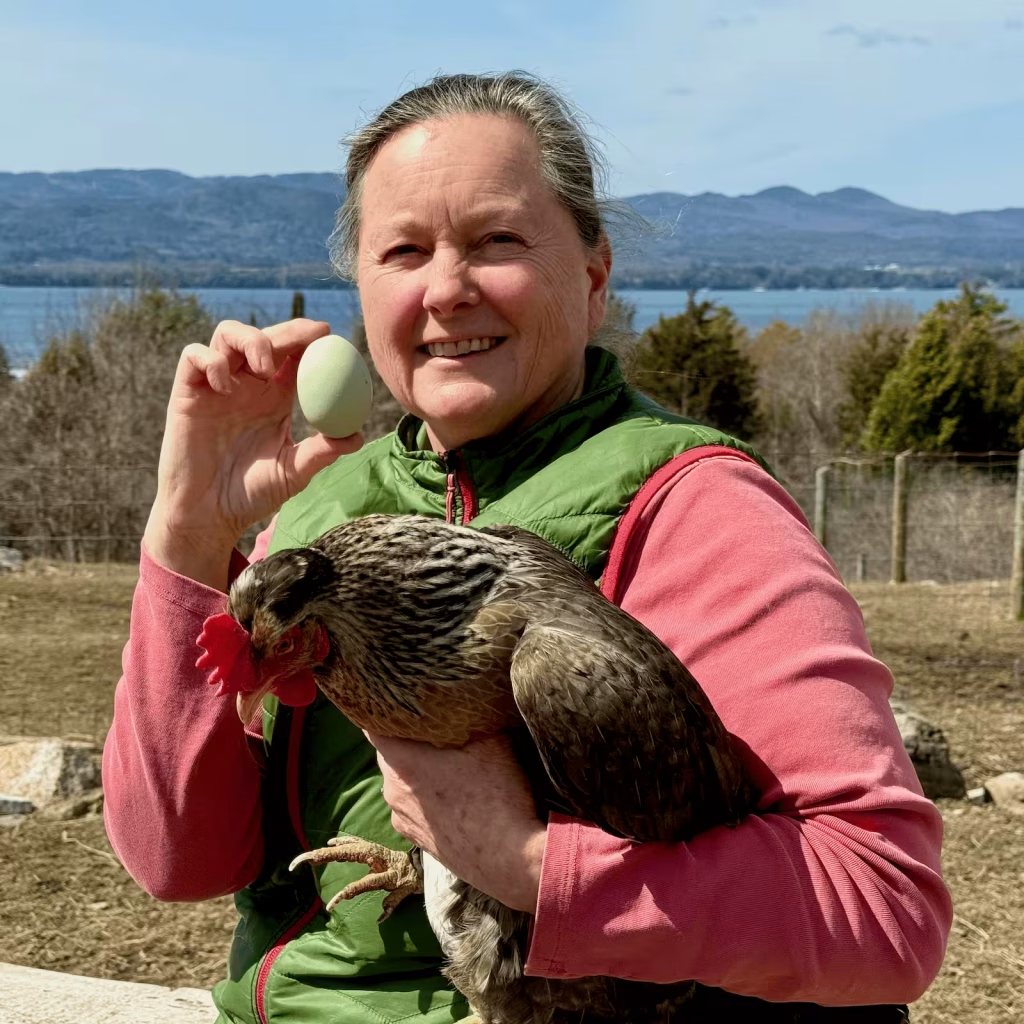

Meet Our Laying Hens
This year, Millie—our faithful Cream Legbar and blue egg layer—leads the way. After her winter break, she’s back in the nesting box, and that first blue egg feels like a celebration. It’s more than just breakfast; it signals that the light is returning, the days are warming, and the rhythm of the farm is beginning again.
Her flockmates, Bonnie (a Welsummer who lays brown eggs) and Annie (our Araucana with her delicate pink eggs), haven’t started back up yet. These three make up the last of an older flock, and we’re savoring this season with them while we wait for our new chicks to arrive in mid-May. These “old gals” feel especially meaningful—steady, familiar, and full of personality.
Why Chicken Eggs Come in Different Colors
One of my favorite parts of keeping a mixed flock is the variety of egg colors. Each egg feels like a small work of art, and when the basket fills, it looks like a collection of Easter eggs. What fascinates me most is how each egg forms. Every egg starts as a white shell, made mostly of calcium carbonate. Then pigments create the color during the laying process. A hen’s breed determines the final color she produces.
Bonnie’s brown eggs get their color from a pigment called porphyrin, which coats the outside of the shell in the final hours before she lays. That’s why brown eggs remain white on the inside—the color stays on the surface.
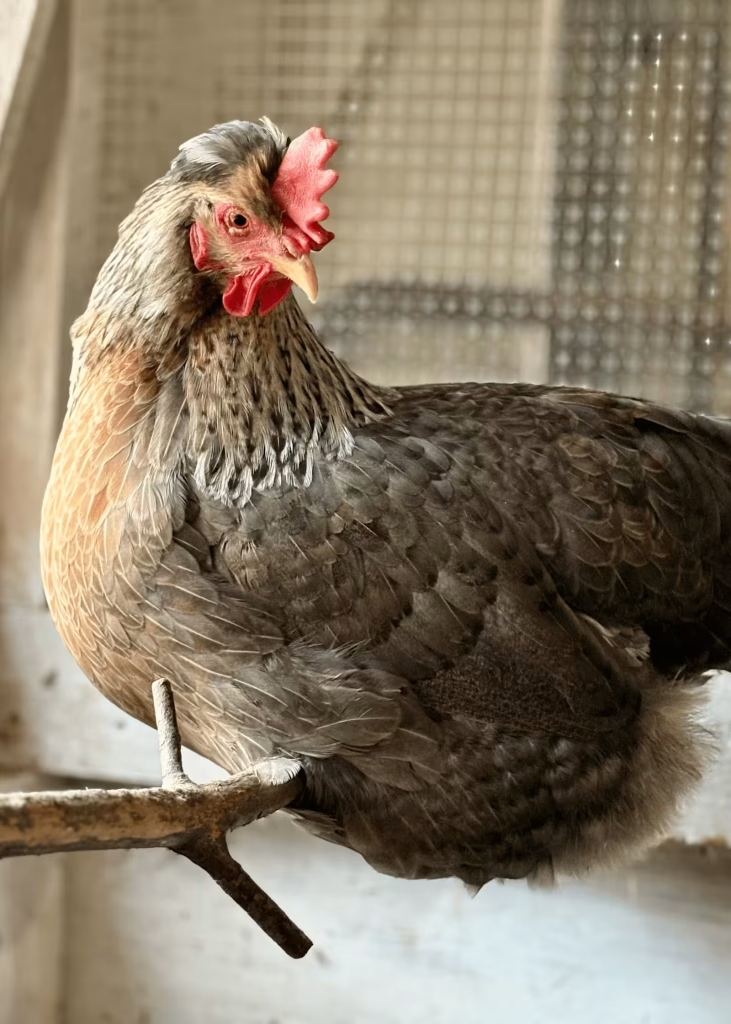


Millie’s blue eggs form differently. A pigment called oocyanin enters much earlier in the process and saturates the entire shell. That’s why blue eggs appear blue both inside and out. It’s a subtle detail, but one that always amazes me.
Green eggs form when a hen carries both blue and brown egg genetics. The shell develops a blue base first, and then a brown tint overlays it, creating those soft olive shades.
The Joy of Spring on the Farm
Beyond the science, I find wonder in the everyday rhythm of it all. A hen takes about 26 hours to form an egg and can lay five or six each week—whether or not a rooster is present. It’s a steady, quiet gift.
I find so much happiness in these small daily rituals: opening the coop, checking the nesting boxes, and discovering what the hens have left behind. After the stillness of winter, life returns in the gentlest way.
Soon, our new chicks will arrive, and about six months from now, they’ll begin laying too. For now, Millie’s blue eggs mark the season—and remind me that spring, in all its quiet beauty, has arrived.
Quick facts:
Most hens begin laying again as daylight increases in early spring, typically March or April in colder climates like Vermont.
Egg color depends on breed. Pigments added during egg formation create blue, brown, or green shells.
No, hens lay eggs regularly without a rooster. A rooster is only needed for fertilized eggs.


Share Your Thoughts