

How an 18th-century Vermont barn reflects the story of a community, a landscape, and a way of life
Rebuilding After the Revolutionary War
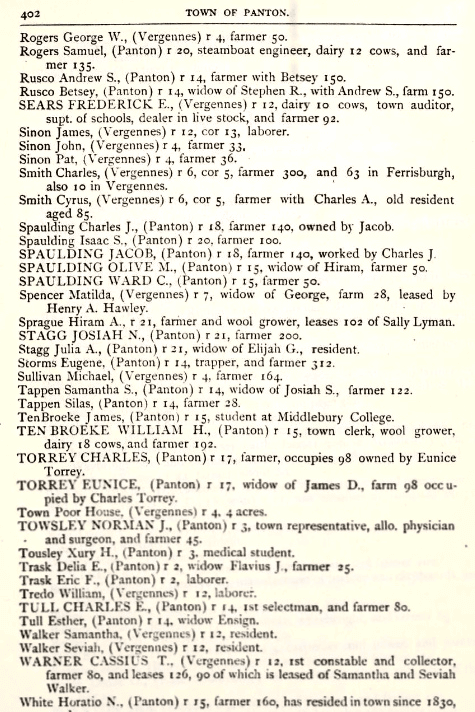
When the Spaulding family rebuilt their homestead after the British raids of the late 1770s, they weren’t just constructing a barn — they were rebuilding their lives. This land in Panton had already tested them. Yet they chose to stay, to raise their family here, and to invest labor into structures meant to last.
The barn that rose on this site became the heart of a working farm that would evolve alongside the young nation. With its gunstock timber frame, hand-hewn beams, and mortise-and-tenon joinery, it embodied the construction traditions of 18th-century New England. Strength, simplicity, and resilience were built into every post and peg.

The Merino Boom and a Growing Barn
In the early 1800s, everything changed — not just for the Spauldings, but for Vermont itself.
The arrival of William Jarvis’s Spanish Merino sheep sparked an agricultural revolution across the state. Addison County became one of the centers of this boom, and farms expanded quickly to house more sheep, more hay, and more equipment.
Our barn expanded too.
The 30×35-foot addition, built with smoother, saw-milled timbers, reflects this economic surge. A water-powered sawmill, likely in Vergennes, had begun supplying lumber. Slate roofing became more common. Farmers invested in their buildings because the promise of wool wealth encouraged growth.
That period left its mark — in sawn beams, in altered rooflines, and even in place names across Vermont.
You can read more about Merino sheep in Vermont here:
William Jarvis and the Merino Sheep Craze
From Sheep to Dairy: A Changing Vermont Landscape
By the late 19th century, the Merino craze had faded. Sheep farming declined as western wool and cotton took over the market. Vermont’s hillside pastures, once dotted with flocks, shifted to a new agricultural rhythm: dairy farming.
Our barn adapted once again.
When we purchased the property in 2020, we found reminders of that era — stanchions, troughs, and remnants of early 20th-century dairy equipment. Farmers modified the interior layout, repurposed lofts, and added features to support milking cows instead of sheep.
The barn, like Vermont itself, changed with the times.
A Barn Shaped by Community and Craft
This barn does not stand today simply because it was built well — though the craftsmanship is exceptional. It stands because generations cared for it, adapted it, and leaned on it as seasons and economies shifted.
It has weathered:
- Revolutionary War destruction
- The rise and fall of the wool economy
- The shift to dairy
- The storms, freezes, and thaws of 240 Vermont winters
The beams still carry broad-axe marks from 18th-century builders. The posts still flare like the gunstocks that inspired their shape. And the sawn lumber in the addition still tells of the region’s first industrial mills.
Each layer belongs to another chapter of Addison County’s story.
Connecting Past and Present
Today, as part of Wiggly Goat Farm, the barn serves a new purpose — one tied to fiber, land stewardship, and the continuation of rural craft. Goats, sheep, llamas, alpacas, and chickens now live in a space shaped by the hands and hopes of those who came before.
When we walk through the barn, we feel the presence of:
- The Spauldings, rebuilding after loss
- Early Vermonters harvesting oak by axe
- Neighbors gathered for a frame raising
- Merino shepherds storing their wool
- Dairy farmers tending their herds
This structure is not just a shelter.
It is a memory — a place where history and daily life meet.
Barns like this remind us that Vermont’s agricultural story is not a straight line but a continual evolution, passed from one generation to the next.
Continue the Story
If you missed a part of our three part series, you can read it here:
Part 1: Cleaning Out and Saving the Barn
Part 2: The Craft of a Gunstock Barn
Part 3: A Barn Through Time — Farming, Families, and the Changing Landscape of Addison County
To explore more of the Spaulding family’s legacy:
Historic Spaulding Homestead
Discover the Spaulding Family History




Share Your Thoughts